




Table of Contents
Table of Contents
In today's dynamic e-commerce landscape, efficient logistics are paramount to business success. As online shopping continues to surge, consumers demand faster delivery times and seamless order experiences. To meet these expectations, many businesses turn to third-party fulfillment services, also known as third-party logistics (3PL) providers. These specialized partners handle the complexities of warehousing, inventory management, order processing, and shipping, allowing businesses to focus on their core competencies.
The rise of 3PL services is not just a trend but a strategic response to the challenges of modern commerce. According to industry reports, the global 3PL market is projected to reach $1.59 trillion by 2028, reflecting the growing reliance on these services across various sectors. By outsourcing logistics operations, companies can scale efficiently, reduce operational costs, and enhance customer satisfaction.
This comprehensive guide delves into the intricacies of third-party fulfillment services, exploring their definitions, functionalities, advantages, and how to choose the right partner. Whether you're a startup looking to streamline operations or an established business aiming to optimize your supply chain, understanding 3PL services is crucial in today's competitive market.
The concept of third-party fulfillment has evolved significantly over the years. Initially, businesses managed their logistics in-house, which required substantial investment in infrastructure and manpower. However, with the rise of e-commerce and globalization, the complexity of supply chains increased, making it challenging for companies to manage logistics internally. This shift led to the emergence of 3PL providers who offer scalable and flexible solutions tailored to the unique needs of each business.
3PL providers offer a range of services that can be customized based on the client's requirements. These services include:
- Warehousing: Storing products in strategically located facilities to ensure timely delivery to customers.
- Inventory Management: Monitoring stock levels, forecasting demand, and managing restocking processes.
- Order Fulfillment: Picking, packing, and shipping products to customers efficiently.
- Returns Management: Handling product returns, restocking, and processing refunds or exchanges.
By outsourcing these functions, businesses can benefit from reduced operational costs, improved customer satisfaction, and the ability to scale operations quickly in response to market demands.

Key Functions of a Third-Party Fulfillment Center:
- Inventory Management: Upon receiving products from manufacturers or suppliers, the fulfillment center stores them in an organized manner, often utilizing advanced warehouse management systems (WMS) to track inventory levels in real-time.
- Order Processing: When a customer places an order, the fulfillment center picks the appropriate items from inventory, packs them securely, and prepares them for shipment. This process is optimized for speed and accuracy to meet customer expectations.
- Shipping and Distribution: Fulfillment centers coordinate with various carriers to ship orders efficiently, often leveraging bulk shipping rates to reduce costs. Some centers also offer same-day or two-day shipping options to enhance customer satisfaction.
- Returns Management: Handling returns is a critical aspect of e-commerce. Fulfillment centers process returned items, inspect them for quality, restock sellable products, and manage refunds or exchanges as per the retailer's policies.


The rise of 3PL services is not just a trend but a strategic response to the challenges of modern commerce. According to industry reports, the global 3PL market is projected to reach $1.59 trillion by 2028, reflecting the growing reliance on these services across various sectors. By outsourcing logistics operations, companies can scale efficiently, reduce operational costs, and enhance customer satisfaction.
This comprehensive guide delves into the intricacies of third-party fulfillment services, exploring their definitions, functionalities, advantages, and how to choose the right partner. Whether you're a startup looking to streamline operations or an established business aiming to optimize your supply chain, understanding 3PL services is crucial in today's competitive market.
1. Third-Party Fulfillment Service Definition?
A third-party fulfillment service, commonly known as third-party logistics, is a business model where companies outsource their logistics operations to specialized providers. These providers handle various aspects of the supply chain, including warehousing, inventory management, order processing, shipping, and returns. By leveraging the expertise and infrastructure of 3PL providers, businesses can focus on their core competencies while ensuring efficient and cost-effective logistics operations.The concept of third-party fulfillment has evolved significantly over the years. Initially, businesses managed their logistics in-house, which required substantial investment in infrastructure and manpower. However, with the rise of e-commerce and globalization, the complexity of supply chains increased, making it challenging for companies to manage logistics internally. This shift led to the emergence of 3PL providers who offer scalable and flexible solutions tailored to the unique needs of each business.
3PL providers offer a range of services that can be customized based on the client's requirements. These services include:
- Warehousing: Storing products in strategically located facilities to ensure timely delivery to customers.
- Inventory Management: Monitoring stock levels, forecasting demand, and managing restocking processes.
- Order Fulfillment: Picking, packing, and shipping products to customers efficiently.
- Returns Management: Handling product returns, restocking, and processing refunds or exchanges.
By outsourcing these functions, businesses can benefit from reduced operational costs, improved customer satisfaction, and the ability to scale operations quickly in response to market demands.
2. What Is a Third-Party Fulfillment Center?
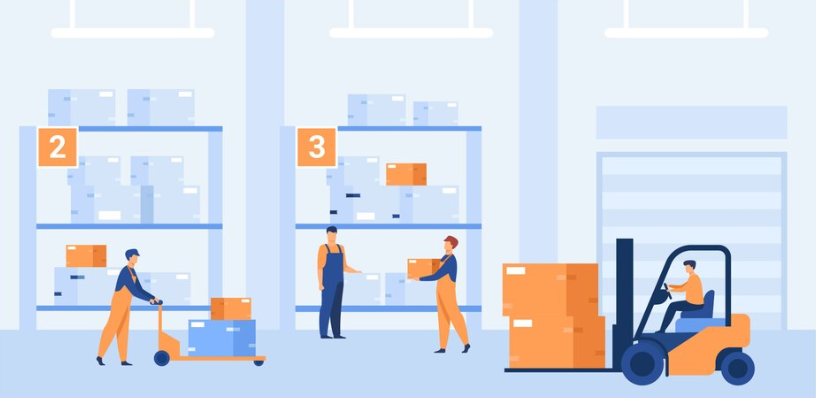
A third-party fulfillment center is a specialized facility operated by an external logistics provider, designed to manage the storage, processing, and shipping of products on behalf of businesses. These centers serve as the backbone of third-party logistics services, offering a comprehensive solution for companies looking to streamline their supply chain operations without investing in their own warehousing infrastructure.- Inventory Management: Upon receiving products from manufacturers or suppliers, the fulfillment center stores them in an organized manner, often utilizing advanced warehouse management systems (WMS) to track inventory levels in real-time.
- Order Processing: When a customer places an order, the fulfillment center picks the appropriate items from inventory, packs them securely, and prepares them for shipment. This process is optimized for speed and accuracy to meet customer expectations.
- Shipping and Distribution: Fulfillment centers coordinate with various carriers to ship orders efficiently, often leveraging bulk shipping rates to reduce costs. Some centers also offer same-day or two-day shipping options to enhance customer satisfaction.
- Returns Management: Handling returns is a critical aspect of e-commerce. Fulfillment centers process returned items, inspect them for quality, restock sellable products, and manage refunds or exchanges as per the retailer's policies.
3. Advantages of Third-Party Fulfillment Service
Third-party fulfillment services, commonly referred to as 3PL (third-party logistics), offer a multitude of advantages that can significantly enhance a company's operational efficiency and customer satisfaction. By outsourcing logistics functions, businesses can focus on their core competencies while leveraging the expertise and infrastructure of specialized providers.Cost Efficiency
One of the primary benefits of 3PL services is cost reduction. By outsourcing warehousing, transportation, and fulfillment operations, companies can avoid substantial capital investments in infrastructure and technology. 3PL providers often have established relationships with carriers, enabling them to negotiate better shipping rates, which can be passed on to clients. Additionally, shared warehousing allows businesses to pay only for the space and services they use, converting fixed costs into variable ones. This flexibility is particularly beneficial for businesses with seasonal fluctuations in demand.Scalability and Flexibility
3PL providers offer scalable solutions that can adapt to a company's changing needs. Whether a business is experiencing rapid growth, seasonal spikes, or entering new markets, 3PLs can adjust resources accordingly. This scalability ensures that businesses can meet customer demands without the delays associated with expanding in-house operations. Furthermore, 3PLs often have multiple distribution centers, allowing for efficient geographic coverage and faster delivery times.Access to Expertise and Advanced Technology
Partnering with a 3PL grants businesses access to logistics experts and advanced technologies that might be cost-prohibitive to develop internally. These providers utilize sophisticated warehouse management systems (WMS), transportation management systems (TMS), and real-time tracking tools to optimize operations. Such technologies enhance inventory accuracy, order fulfillment speed, and overall supply chain visibility, leading to improved customer satisfaction.Focus on Core Business Activities
Outsourcing logistics allows companies to concentrate on their primary business functions, such as product development, marketing, and sales. By entrusting logistics to specialized providers, businesses can allocate resources more effectively and drive growth initiatives without being bogged down by the complexities of supply chain management.Enhanced Customer Satisfaction
Efficient and reliable order fulfillment is crucial for customer satisfaction. 3PL providers are equipped to handle high volumes of orders with accuracy and speed, ensuring timely deliveries. Their expertise in logistics operations minimizes errors and delays, leading to a better customer experience. Additionally, many 3PLs offer value-added services such as returns management and customer support, further enhancing the end-to-end customer journey.Risk Mitigation
Supply chain disruptions, such as natural disasters, labor strikes, or transportation issues, can significantly impact business operations. 3PL providers often have contingency plans and diversified networks to mitigate such risks. Their experience in handling various challenges ensures that businesses can maintain continuity and resilience in their supply chains.Global Market Expansion
For businesses looking to expand internationally, 3PLs offer invaluable support. They possess the infrastructure and knowledge to navigate complex international logistics, including customs regulations, tariffs, and local distribution networks. By leveraging a 3PL's global presence, companies can enter new markets more efficiently and with reduced risk.4. What Does Third-Party Fulfillment Service Do
A third-party fulfillment service, often referred to as a 3PL provider, offers comprehensive solutions for managing the logistics and supply chain operations of businesses. These services encompass a range of functions designed to streamline the process of getting products from manufacturers to end customers efficiently and effectively.Receiving and Inventory Management
The process begins when a business ships its products to the 3PL's warehouse. Upon arrival, the 3PL provider receives the inventory, inspects it for accuracy and damage, and logs it into their Warehouse Management System. This system tracks inventory levels in real-time, ensuring accurate stock counts and facilitating seamless integration with the client's sales channels.Order Processing
When a customer places an order, the 3PL's system automatically receives the order details. The fulfillment center then picks the ordered items from the inventory, packs them securely, and prepares them for shipment. Advanced 3PL providers utilize technology to optimize picking routes and packing methods, enhancing efficiency and reducing errors.Shipping and Distribution
After packing, the 3PL arranges for the shipment of orders to customers. They often have partnerships with various carriers, allowing them to negotiate better shipping rates and offer multiple delivery options. Some 3PLs also provide international shipping services, handling customs clearance and ensuring compliance with international regulations.Returns Management
Handling returns is a critical aspect of customer service. 3PL providers manage the returns process by receiving returned items, inspecting them, restocking sellable products, and processing refunds or exchanges as per the client's policies. Efficient returns management helps maintain customer satisfaction and loyalty.Value-Added Services
Beyond the core functions, many 3PLs offer additional services to meet specific business needs. These may include kitting and assembly, custom packaging, labeling, and quality control inspections. Such value-added services enable businesses to provide a personalized experience to their customers without investing in additional resources.Technology Integration
Modern 3PL providers leverage advanced technologies to enhance their services. They offer integration with e-commerce platforms, real-time tracking of shipments, and analytics tools to monitor performance metrics. These technological capabilities provide businesses with greater visibility and control over their supply chain operations.5. Tips to Choose Third-Party Fulfillment Partner
Selecting the right third-party logistics provider is a pivotal decision that can significantly influence your business's operational efficiency and customer satisfaction. To ensure a successful partnership, consider the following key factors: Want to know about our services, fees or receive a custom quote?