




Table of Contents
Table of Contents
Warehouse traceability plays a pivotal role in the efficiency and reliability of ecommerce businesses. As ecommerce continues to grow, ensuring smooth operations from product storage to delivery becomes increasingly crucial. At its core, warehouse traceability refers to the ability to track products within the supply chain, from their arrival at the warehouse to their final dispatch to customers.
In today’s competitive ecommerce landscape, maintaining control over inventory and ensuring quick, error-free order fulfillment are critical for retaining customers and building brand loyalty. In this article, we explore what warehouse traceability is, how it enhances ecommerce operations, and why it is essential for success.

Warehouse traceability is facilitated through a combination of technologies, such as barcodes, RFID (radio-frequency identification), and Warehouse Management Systems (WMS), that automate data collection and provide detailed insights into the location and status of every product.
Moreover, it contributes to greater operational transparency, helping businesses optimize supply chain management while ensuring compliance with regulations.

Successful warehouse traceability hinges on the integration of technology and process efficiency, guaranteeing that every inventory change is documented. Here’s what makes it all come together:
Both technologies ensure that each item can be traced from its point of entry into the warehouse to its final destination. Barcode scanners and RFID readers are used to capture product information, automatically logging each item’s movement and ensuring that data remains accurate and up to date.
here’s how these processes work together as a product moves from warehouse receiving to customer delivery:
1. Receiving inventory: When a shipment arrives at the warehouse, each product is scanned by a barcode or RFID reader, and the WMS updates the system with the item’s quantity and its storage location.
2. Storing inventory: The WMS directs staff to the optimal storage location. Once the item is shelved, it is scanned again to update its location in the inventory system.
3. Order placement: When a customer places an order, the WMS locates the item and reserves it, ensuring it isn’t oversold.
4. Picking and packing: Using a picking list created by the WMS, warehouse staff scan every item during both picking and packing to ensure the order is accurate and complete.
5. Shipping: After packing and labeling, a final scan updates the system to indicate that the item has left the warehouse. The customer is provided with tracking details linked to their shipment.
6. Returns processing: If an item is returned, it’s scanned during receipt and inspection. After restocking, the WMS updates the inventory levels to keep the data accurate.
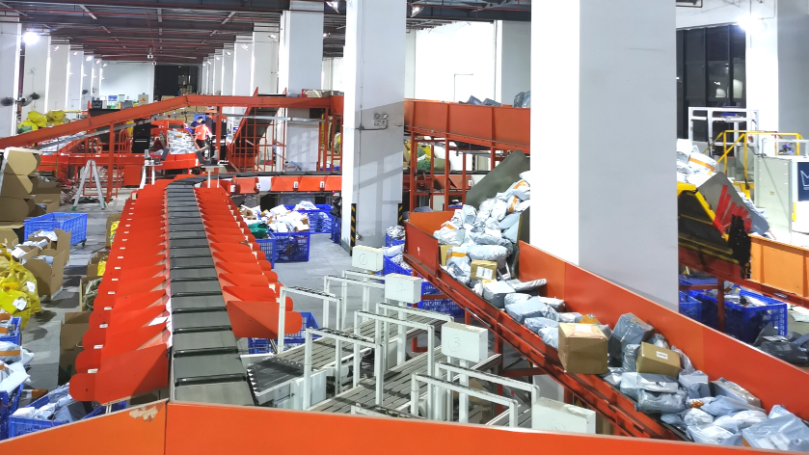
Tracking your products at all times brings several key benefits. Imagine the disruptions caused by lost inventory, shipping delays, or order errors. Warehouse traceability addresses these issues, offering real-time insights and control over your stock.
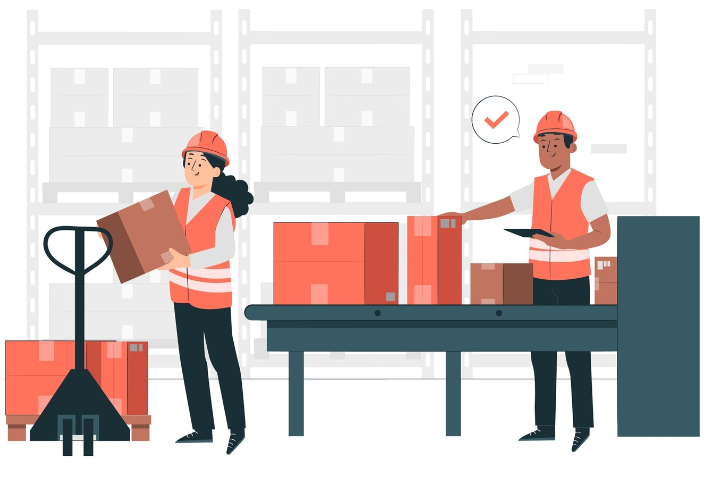
To achieve effective traceability, you need a well-planned setup and ongoing optimization. Here’s a simple guide to creating a system that improves your ecommerce workflow.
In today’s competitive ecommerce landscape, maintaining control over inventory and ensuring quick, error-free order fulfillment are critical for retaining customers and building brand loyalty. In this article, we explore what warehouse traceability is, how it enhances ecommerce operations, and why it is essential for success.
1. What Is Warehouse Traceability
Warehouse traceability refers to the process of tracking goods and products within a warehouse. It allows businesses to monitor the movement of items from receiving through to picking, packing, and dispatching. With traceability, every stage of a product's journey within the warehouse is logged, ensuring real-time visibility and control over inventory.Warehouse traceability is facilitated through a combination of technologies, such as barcodes, RFID (radio-frequency identification), and Warehouse Management Systems (WMS), that automate data collection and provide detailed insights into the location and status of every product.
Why Warehouse Traceability Important for Ecommerce
For ecommerce businesses, warehouse traceability enhances efficiency, reduces errors, and fosters a more seamless customer experience. Traceability ensures that businesses can track inventory in real-time, which helps reduce stockouts, avoid overstocking, and ultimately meet customer demands more effectively.Moreover, it contributes to greater operational transparency, helping businesses optimize supply chain management while ensuring compliance with regulations.
2. Processes of Warehouse Traceability
Inventory Tracking
One of the main processes in warehouse traceability is the continuous tracking of inventory. It involves logging every product as it enters and moves through the warehouse. Using advanced inventory management software, ecommerce businesses can automate the tracking process, minimizing human error and ensuring real-time updates. By recording product movements and updating stock levels, businesses gain immediate insight into inventory availability, preventing stockouts and overstock situations.Barcode Scanning and RFID
Barcode scanning and RFID are two powerful technologies that enhance warehouse traceability. Barcodes are the most common method used to identify products in a warehouse, while RFID technology allows for automatic identification without direct line-of-sight scanning.Both technologies ensure that each item can be traced from its point of entry into the warehouse to its final destination. Barcode scanners and RFID readers are used to capture product information, automatically logging each item’s movement and ensuring that data remains accurate and up to date.
Real-Time Data Integration
A crucial aspect of modern warehouse traceability is real-time data integration. When product data is captured, it should be instantly updated in the central warehouse management system. It ensures that all stakeholders, from warehouse staff to business managers, have access to the latest information regarding inventory levels, order statuses, and shipment tracking. The integration of real-time data with ecommerce platforms ensures smoother operations and more efficient order fulfillment.here’s how these processes work together as a product moves from warehouse receiving to customer delivery:
1. Receiving inventory: When a shipment arrives at the warehouse, each product is scanned by a barcode or RFID reader, and the WMS updates the system with the item’s quantity and its storage location.
2. Storing inventory: The WMS directs staff to the optimal storage location. Once the item is shelved, it is scanned again to update its location in the inventory system.
3. Order placement: When a customer places an order, the WMS locates the item and reserves it, ensuring it isn’t oversold.
4. Picking and packing: Using a picking list created by the WMS, warehouse staff scan every item during both picking and packing to ensure the order is accurate and complete.
5. Shipping: After packing and labeling, a final scan updates the system to indicate that the item has left the warehouse. The customer is provided with tracking details linked to their shipment.
6. Returns processing: If an item is returned, it’s scanned during receipt and inspection. After restocking, the WMS updates the inventory levels to keep the data accurate.
3. Benefits of Warehouse Traceability for Ecommerce
Enhanced Inventory Management
With warehouse traceability, ecommerce businesses can achieve more precise inventory management. Real-time tracking and visibility of stock levels allow businesses to forecast demand more accurately, streamline order fulfillment processes, and reduce instances of stockouts. Effective inventory management ensures that products are always available when customers place an order, improving overall business operations.Improved Order Fulfillment
The ability to track inventory and monitor order processing throughout the warehouse ensures that products are picked, packed, and shipped quickly and efficiently. By knowing the exact location of products at any given moment, ecommerce businesses can minimize delays and avoid errors during the order fulfillment process, leading to quicker deliveries and more satisfied customers.Better Customer Experience
Customer satisfaction is directly tied to order accuracy and delivery speed. With a traceable warehouse system in place, customers can track their orders in real-time, providing transparency and reassurance. Furthermore, traceability helps prevent mistakes, ensuring that customers receive the right products at the right time. The ability to guarantee fast, reliable delivery ultimately boosts customer loyalty.Regulatory Compliance
Certain industries require businesses to maintain strict records of their inventory for compliance with regulations. Warehouse traceability allows ecommerce companies to track products for compliance with safety, quality, and regulatory standards. It is particularly important for sectors like pharmaceuticals, food, and electronics, where traceability ensures product integrity and regulatory adherence.4. How to Implement Warehouse Traceability
 Want to know about our services, fees or receive a custom quote?